

Product Description
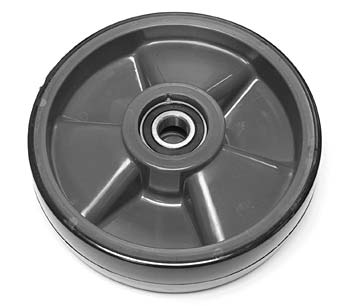
King KI 236B-20MM is a precision double-sealed (6204-2RS) radial ball bearing, engineered for manual pallet jack load and steer wheel assemblies. Wheel options include poly/nylon tread load wheels and steer wheels. Hub lengths and material specifications are optimized for heavy-duty industrial equipment compatibility. No cross-reference part numbers were found for this SKU.
Specifications
Material & Construction
| Wheel Tread Material | Polyurethane (Poly) and Nylon |
| Bearing Seal Type | Double sealed (2RS) |
| Bearing Grade | Precision industrial grade |
| Core Material | Nylon |
Mechanical Specifications
| Bearing Model | 6204-2RS |
| Applications | Load and steer wheel assemblies on manual pallet jacks |
Frequently Asked Questions
Q: What are the specifications of the KI 236B-20MM bearing?
A: The KI 236B-20MM is a precision double-sealed radial ball bearing (model 6204-2RS). It is precision industrial grade, designed for load and steer wheel assemblies on manual pallet jacks with heavy-duty requirements.
Q: Which wheel sizes work with the KI 236B-20MM bearing?
A: The KI 236B-20MM is compatible with tread wheels on King manual pallet jacks. Verify the hub bore matches before selection.
Q: What makes the KI 236B-20MM bearing different from standard bearings?
A: The KI 236B-20MM features double seals (2RS) on both sides to exclude dirt, moisture, and debris from the rolling elements. The precision industrial grade construction provides smooth, quiet operation and longer service life under constant material handling loads.
Q: What wheel tread materials are used with the KI 236B-20MM?
A: The KI 236B-20MM works with polyurethane (poly) and nylon tread wheels. Polyurethane offers better wear resistance and grip on smooth floors; nylon tread is lighter and suitable for general warehouse use.
Q: How can I tell when the KI 236B-20MM bearing needs replacement?
A: Replace the bearing if you notice grinding or squeaking during wheel rotation, excessive play, resistance to spinning, or if the wheel does not rotate freely. These signs indicate internal damage or seal degradation.

