
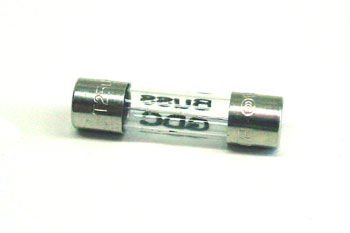
Product Description
Crown 127038-001 is a 1/4 amp time delay glass fuse rated for 250 VAC, specifically engineered for battery and charger circuits in Crown electric lift trucks, including WAVE Work Assist Vehicle applications. The fuse features a glass body with nickel-plated brass construction and low breaking capacity design, providing reliable overcurrent protection while tolerating brief startup current surges without nuisance failure.
Specifications
Electrical Specifications
| Rated Current | 0.25 A (1/4 Amp) |
| Rated Voltage | 250 VAC |
| Fuse Material | Glass body |
Mechanical Specifications
| Fuse Construction | Low breaking capacity |
| Fuse Housing Material | Nickel-plated brass |
| Fuse Type | Time delay |
Part Numbers
| Part Number | CR 127038-001 |
Frequently Asked Questions
Q: What is the rated amperage and voltage for the 127038-001 fuse?
A: The 127038-001 is rated at 0.25 amp (1/4 amp) with a 250 VAC rating. It is a time delay glass fuse engineered for battery and charger circuits in Crown electric lift trucks, particularly WAVE Work Assist Vehicle applications.
Q: What construction material is used in this fuse?
A: The 127038-001 features a glass body with nickel-plated brass construction and low breaking capacity design. This combination provides reliability for battery charging circuits while protecting against overcurrent conditions.
Q: Which Crown equipment models does this fuse fit?
A: This fuse is compatible with Crown electric lift trucks including WAVE and WAVE Work Assist Vehicle models. Verify your equipment serial range and charger specification before ordering to ensure proper fitment.
Q: What distinguishes a time delay fuse from a standard fuse in this application?
A: Time delay fuses tolerate brief current surges during normal startup without blowing, protecting against nuisance trips. Standard fuses would blow immediately during these harmless spikes. This design is critical for charger circuits that experience inrush current.
Q: When should the 127038-001 be replaced?
A: Replace this fuse if it shows visible damage, a blown element, or darkening of the glass body. If it blows repeatedly, do not replace it multiple times. Instead, investigate the underlying circuit fault, as repeated fuse failure indicates a deeper electrical problem requiring diagnosis.

