

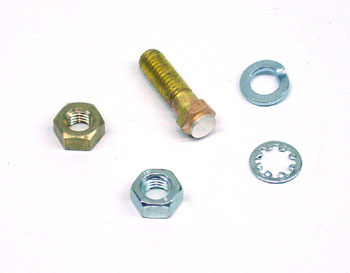
Product Description
The electrical contact kit 208762 is a direct replacement contact assembly designed for electric lift truck control and switching systems. This kit provides reliable electrical switching for motor circuits, solenoid activation, and directional control in electric forklifts and pallet jacks. Built for durability in high-cycle industrial environments, it ensures consistent power delivery and responsive truck operation. Compatible with leading electric lift truck manufacturers, this contact kit maintains electrical integrity across thousands of switching cycles.
Frequently Asked Questions
Q: What does contact kit 208762 include?
A: Contact kit 208762 is an electrical contact assembly for electric lift truck control systems. It typically includes multiple contact sets or contact cartridges designed to handle switching operations in your trucks electrical circuit.
Q: Which electric lift truck brands does contact kit 208762 fit?
A: Contact kit 208762 is compatible with multiple electric lift truck models from brands including Crown, Toyota, Raymond, and similar OEM manufacturers. Verify your specific truck model and electrical system configuration before ordering.
Q: What voltage and amperage rating does contact kit 208762 have?
A: Standard contact kits for electric lift trucks operate at 24-volt DC or higher systems. Contact kit 208762 is rated for specific amperage levels to handle your trucks motor or solenoid circuits. Confirm your equipment voltage and load requirements match before installation.
Q: How often should contact kit 208762 be replaced?
A: Electrical contacts wear from repeated switching cycles and arcing. Typical service life is 5 to 10 years depending on operating frequency and environment. Replace contacts if your truck shows sluggish response, no-start conditions, or intermittent electrical failures.
Q: What signs indicate contact kit 208762 needs replacement?
A: Warning signs include difficulty starting the truck, intermittent loss of power, burnt or pitted contacts visible upon inspection, or repeated electrical faults. These symptoms indicate contact degradation and increased failure risk.

