

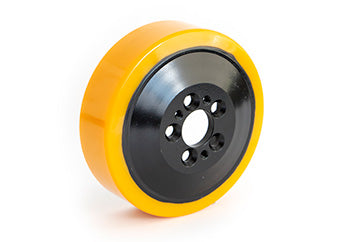
Product Description
Drive tire, poly mold-on hub
Specifications
Physical Specifications
| Material Composition | Polyurethane (Mold-Bonded) |
| Hub Type | Solid Polyurethane Mold-On |
| Typical Service Life | 1000-3000 Operating Hours (Normal Use) |
| Traction Properties | Dry and Wet Condition Grip |
| Chemical Resistance | Resistant to Warehouse Chemicals |
| Durability Rating | Industrial Grade |
Compatibility
| Tire Type | Drive Tire with Mold-On Hub |
| Application | Electric Lift Trucks, Electric Pallet Jacks |
| Replacement Indicators | Tread wear, surface cracking, reduced grip, hub separation |
Frequently Asked Questions
Q: What is the 1020237009 drive tire used for in electric lift trucks?
A: The 1020237009 is a drive tire with polyurethane mold-on hub designed to propel electric lift trucks and pallet jacks. The tire provides traction and transmits power from the electric motor to move equipment across warehouse and industrial floors.
Q: What is the composition and material specification of this drive tire?
A: The 1020237009 features a polyurethane tread compound mold-bonded directly to the hub. The polyurethane provides durable wear resistance, maintains traction in dry and wet conditions, and resists chemical attack from typical warehouse environments. The rigid hub attachment ensures reliable power transmission.
Q: Which electric lift truck models and brands use the 1020237009?
A: This drive tire is compatible with Noblelift pallet jacks (PT45L, PT35L) and other electric pallet jacks and lift trucks. Verify wheel match your equipment specifications before ordering.
Q: How long does polyurethane drive tire 1020237009 last in service?
A: Drive tire life varies with operating hours, load weight, and floor conditions. Polyurethane tires typically last 1000 to 3000 operating hours in normal warehouse use. Replace when tread depth is reduced, when surface cracking appears, or when the tire loses grip and causes equipment slippage.
Q: What symptoms indicate the 1020237009 drive tire needs replacement?
A: Replace the tire if equipment slips or struggles to move under normal load, if visible tread wear or hardening is observed, if cracks develop in the tire surface, or if the polyurethane separates from the hub. Worn drive tires reduce traction and equipment performance.

